Appointments open in November 2026. For any clinical concern, please contact your child’s pediatrician or treating doctor. In an emergency, go to the nearest emergency department or call 998.

Step by step
Arrival and insurance
The reception team registers your child and confirms your insurance coverage before the consultation, so there are no surprises.
Nurse assessment
A nurse checks your child’s vital signs, including height, weight, oxygen level, heart rate and breathing rate.
History and examination
I take time to go through your child’s symptoms, past illnesses, family history and home environment in detail, followed by a thorough examination. This is the most important part of the visit, and it is not rushed.
Investigations, if needed
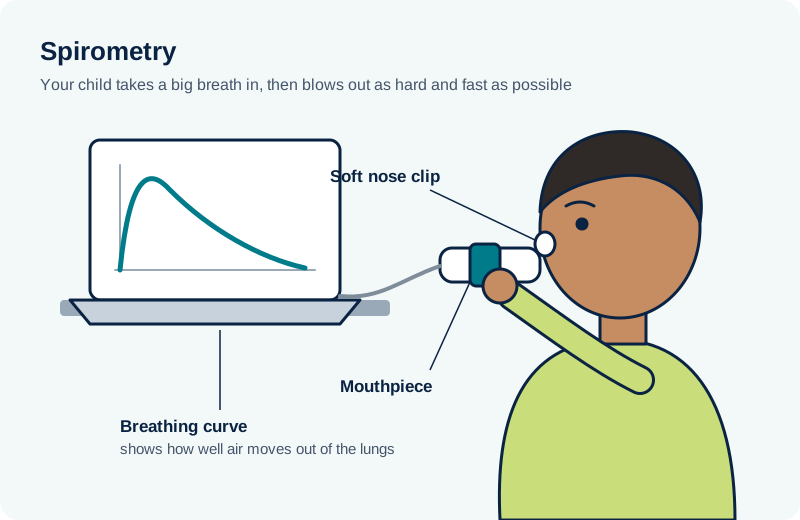
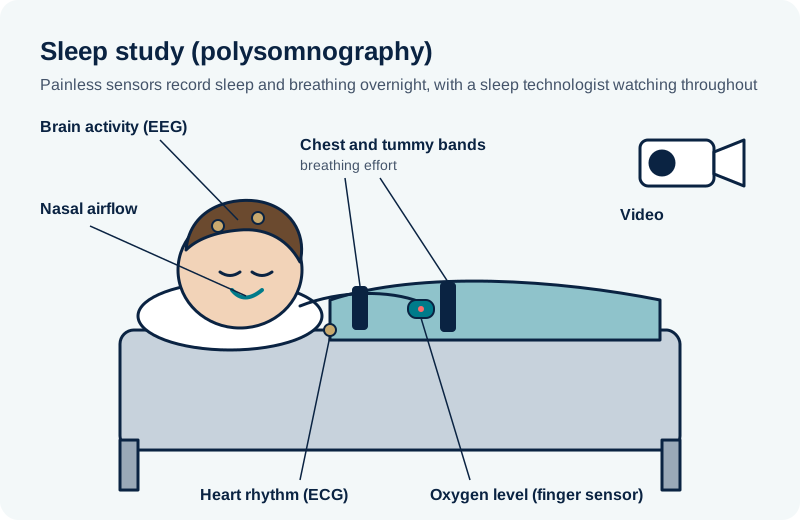
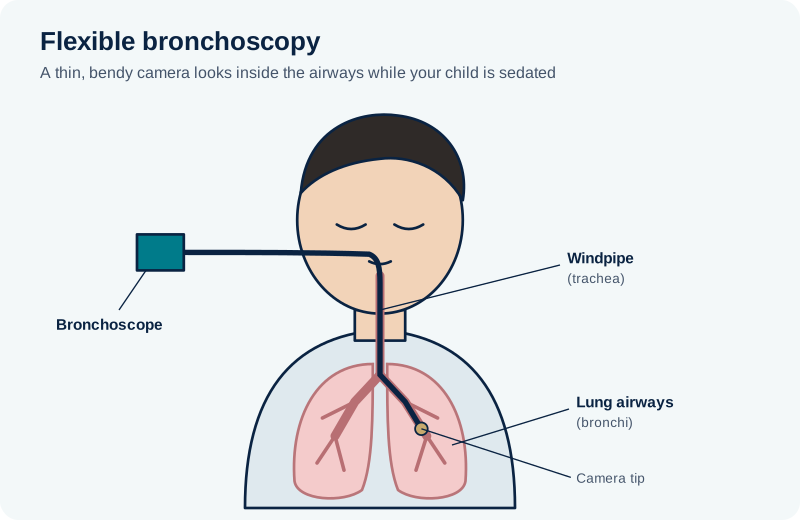
Some children need tests such as a chest X-ray, lung function testing (spirometry), or allergy and immune blood tests. Sleep studies or bronchoscopy are arranged when the history points that way. Every test is explained and discussed with you before it is done.
A clear plan
You leave knowing what I think is going on, what happens next, and when follow-up is needed. Where tests are pending, we agree how results will be shared.
Tests your child may need
Not every child needs investigations. When they do, I explain what each test involves and why it is useful before anything is arranged.
How long appointments take
Tests such as spirometry or an X-ray may add time on the day. Please allow a little extra time for registration and the nurse assessment.
Telehealth consultations, from November 2026
Telehealth is not available at present. Once clinics resume, video consultations over Zoom will be offered where they are clinically appropriate. They work well for follow-up reviews, discussing test results, second opinions, and families who live outside Dubai. Some breathing and sleep problems still need an in-person examination, lung function testing or other investigations, and I will tell you if that is the case. Please have previous letters and results ready to share before the call.
Second opinions
Second opinions are welcome. Many families come with a diagnosis already made, such as asthma, recurrent pneumonia or sleep apnea, and want to be sure the plan is right. A second opinion is only as good as the information behind it, so please bring everything you have.
- Previous doctors’ letters and hospital discharge summaries
- Past investigations: X-rays or scans (reports and images if you have them), blood tests, allergy tests, lung function or sleep study reports
- A list of current medicines, and your child’s inhalers and spacer
- A short phone video of the cough, noisy breathing or snoring, if it comes and goes
- Your insurance card and your child’s Emirates ID
Preparing your child
Tell your child they are seeing a doctor who listens to chests and helps children breathe and sleep better. Nothing at a first visit hurts. If a blood test is needed, we will talk it through with you and your child first.